
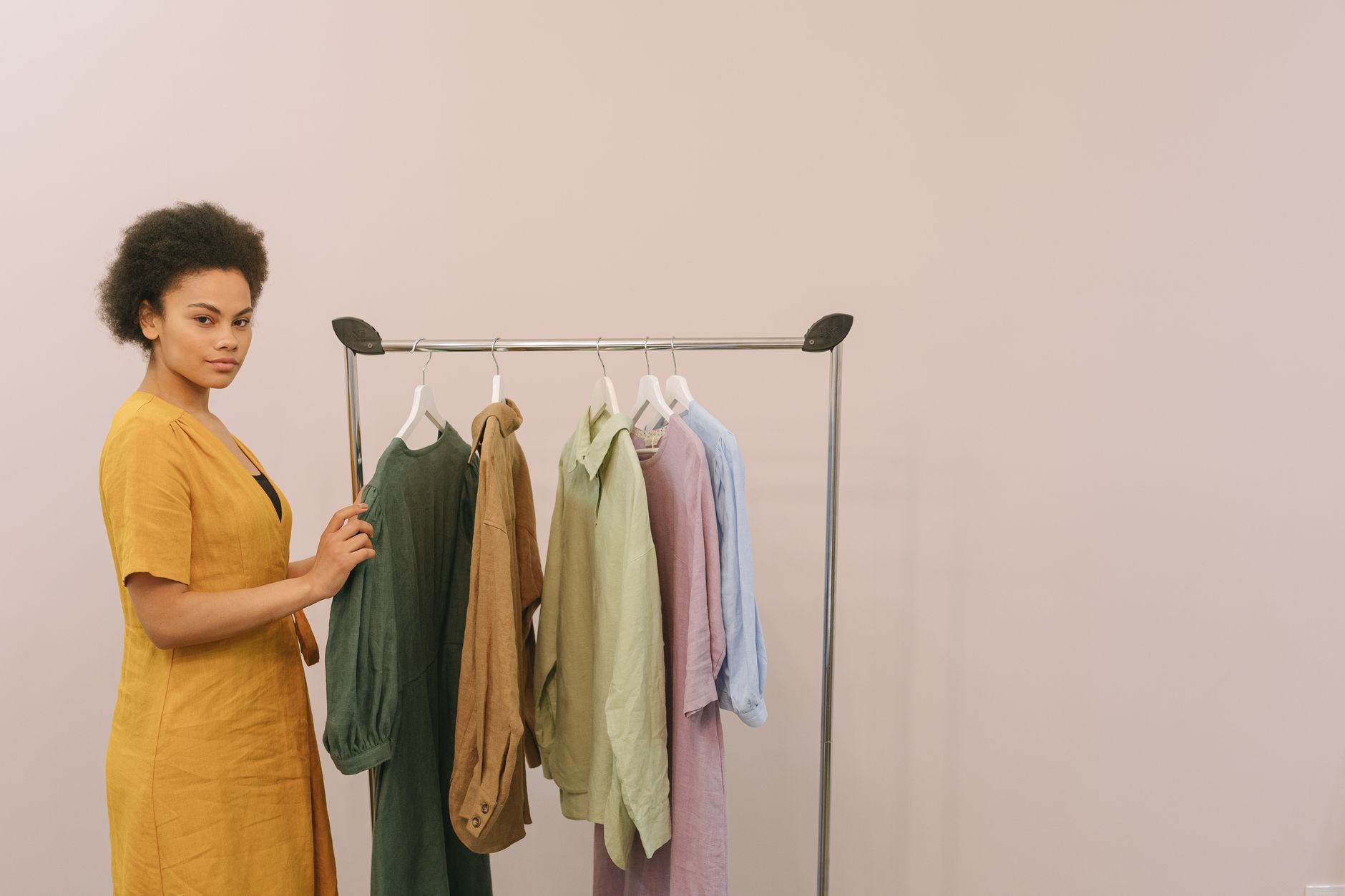
Search for how to start a boutique business in Kenya and nearly every guide assumes the same thing: you are renting a stall in Nairobi, sourcing stock from Gikomba or Eastleigh, and paying daily rent while you wait for walk-in customers. That is one way to run a boutique. It is not the only one, and for a lot of people starting out, it is not the cheapest either.
Selling fashion without a physical shop
An online boutique skips the biggest recurring cost of a physical stall: rent. You still source stock the same way, whether that is from local markets, wholesalers, or your own tailoring, but instead of waiting for people to walk past a stall, customers find you through a shop link you share on WhatsApp, Instagram, or Facebook, where a lot of fashion buying in Kenya already happens informally.
What you need to get started
- Stock. The same sourcing routes that supply physical boutiques work here too. What changes is that you photograph each item as you would present it to a customer, rather than displaying it on a rail.
- Photos. Clear, well-lit photos against a plain background, ideally showing the item worn or laid flat, matter more online than in person, since a photo is the only way a customer judges fit and quality before buying.
- A way to get paid. A Till Number, PayBill, or Pochi la Biashara number that customers pay directly.
- A place to list everything. A shop link customers can browse, rather than scrolling through old WhatsApp status posts or Instagram captions to find what is still in stock.
Taking orders for sizes and fit
Fashion sells differently from most other categories because size and fit questions come up on almost every order. Many boutique owners in Kenya prefer to confirm these details directly with a customer before payment, which is why WhatsApp ordering works well for fashion specifically: a customer browses your catalog through your shop link, then messages you to confirm size and availability before paying. Our guide to selling on WhatsApp covers this in more detail.
If you already sell fashion on Instagram
A lot of boutique selling in Kenya already happens on Instagram, through pages built up over months of posting outfits and restocks. A shop link does not replace that page, it gives it a catalog to point to instead of a scroll of old posts. Our guide to adding a shop link to your Instagram page covers exactly how the two fit together.
Pricing across a mixed catalog
Boutique stock often comes from a mix of sources, secondhand, wholesale, or self-made, each with a different cost basis. Pricing consistently across a catalog that mixes these matters more once customers are comparing your listings side by side on a shop link than it did when items were shown one at a time in a WhatsApp chat. It is worth deciding a simple markup rule for each sourcing type before listing everything, rather than pricing each item individually as it comes in.
Handling returns and exchanges
Fashion is one of the categories most likely to generate a return or exchange request, usually over size rather than quality. Deciding your policy before you launch, rather than working it out mid-conversation with an unhappy customer, saves awkwardness later. A short, clear line in your product descriptions, such as whether exchanges are accepted for wrong sizes and within what timeframe, sets expectations upfront and is worth the few extra words.
Restocking around seasonal demand
Fashion demand in Kenya shifts with the calendar, picking up around the back-to-school period, festive season, and school holidays when families are dressing for events. Planning restocks slightly ahead of these periods, rather than reacting once a style has already sold out, keeps a catalog looking active during the weeks customers are actually browsing most.
What it costs to set up
A FlexiDuka Starter plan, at KES 1,200 a year, covers up to 10 products, enough to test a small boutique catalog before committing to a bigger plan. As your catalog grows past that, Standard and Growth plans cover up to 30 and 75 products respectively. There is no separate fee for taking payments, since customers pay your own Till, PayBill, or Pochi number directly.
Getting started
If you already have stock and a rough idea of your first 10 to 20 pieces, the fastest way to see how this works is to send your business details and choose a plan on our pricing page. For the full setup process from plan to first order, see our step-by-step launch guide.
More from the blog
Business Guides
Selling Shoes Online in Kenya: A Simple Guide
A straightforward setup for selling shoes online in Kenya, from listing sizes to taking payment.
FlexiDuka Team · Jul 30, 2026 · 4 min read

Business Guides
How to Take Cake Orders Online in Kenya
A guide to the ordering side of running a cake business in Kenya: catalog, WhatsApp confirmation, and getting paid.
FlexiDuka Team · Jul 30, 2026 · 4 min read