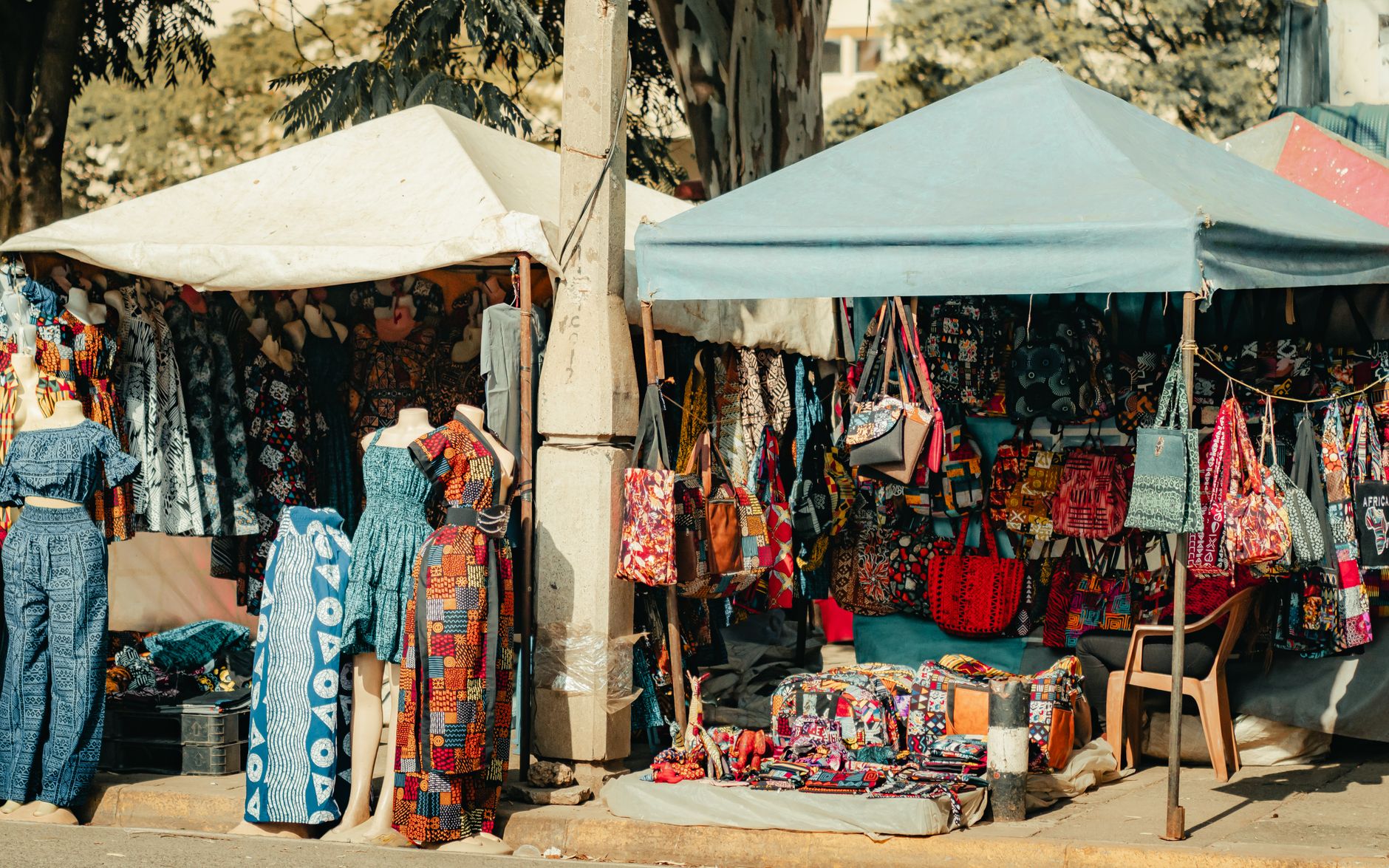
If you run a physical shop and have never sold online at all, most advice aimed at "starting an online business" was not written with you in mind. It usually assumes you are starting from nothing: no stock, no suppliers, no customers, no experience running a business. You already have all of that. What you actually need is narrower: a way for the customers you could be reaching online to find and order what you already sell.
What does not change
Your stock stays the same. Your suppliers stay the same. The way you source and price your products stays the same. None of that needs to be rebuilt or rethought to add an online shop. The products you already carry are the products you list.
What actually changes
The main new thing is photographing what you already sell. A phone camera is enough for this, and the same lighting and background advice applies here as anywhere else: natural light, a plain background, and a straightforward angle that shows the product clearly. Beyond photos, you add a price and a short description for each item, the same information a customer would ask you in person.
Reaching customers beyond your shop's location
A physical shop's customer base is limited by geography: people who happen to walk past, or people who already know where you are. An online shop removes that limit, since a shop link can be shared with anyone, anywhere, on WhatsApp, Instagram, or Facebook, regardless of whether they have ever physically visited. This does not replace walk-in customers, it adds a second way for people to find you.
Telling your existing customers about it
The customers most likely to use your online shop first are the ones who already trust you: regulars who have bought from you before and already know your products are genuine. A simple mention at the counter, a small sign near the till, or a message to regular customers on WhatsApp is usually enough to get the first few online orders, well before any wider audience finds the shop link on its own.
You do not need to be "good with computers"
Setting up and running a FlexiDuka shop does not require technical skill beyond using a smartphone, which most shop owners already do daily for M-Pesa and WhatsApp. Adding a product means filling in a name, a price, and a photo, the same information you already know for everything you sell. There is no code to write and no software to install.
Taking orders alongside your shop's existing rhythm
Many shop owners moving online for the first time prefer to confirm online orders the same way they would confirm a phone or WhatsApp order today, by messaging back and forth before payment. Others prefer an automated checkout that takes payment immediately without a conversation. Neither is more correct, and you can choose whichever matches how you already prefer to handle sales.
Handling delivery for the first time
If you have only ever sold to people who collect in person, delivery is the one genuinely new thing to plan for. Many shop owners start simply, by offering collection at the shop as the default and delivery as an option arranged case by case through a courier or boda rider, rather than trying to build a full delivery system before the first order even comes in. This can always be refined once you see how many orders actually need it.
Getting paid
Customers pay you directly, on checkout, using your own Till Number, PayBill, or Pochi la Biashara account, exactly as they would if they walked into your shop and paid at the counter. FlexiDuka never holds or moves your money at any point.
What it costs
A Starter plan costs KES 1,200 a year and covers up to 10 products, enough to list a first batch of your best-selling items without needing to photograph your entire shop at once. Standard and Growth plans cover up to 30 and 75 products as your online catalog grows. Our post on what an online shop really costs in Kenya breaks down the full pricing picture.
Getting started
For the complete setup process, from choosing a plan to sharing your first shop link, our step-by-step launch guide walks through it in order. When you are ready, send your business details and choose a plan on our pricing page.
More from the blog

Selling Online in Kenya
Do You Need a Website If You Sell on Instagram?
A direct answer for Kenyan sellers already doing business on Instagram or WhatsApp: what actually changes when you add a real shop link.
FlexiDuka Team · Jul 30, 2026 · 4 min read

Selling Online in Kenya
How to Start an Online Shop in Kenya: Step by Step
A practical, non-technical walkthrough for launching your own online shop in Kenya, from choosing a plan to taking your first order.
FlexiDuka Team · Jul 30, 2026 · 4 min read

Selling Online in Kenya
How Much Does an Online Shop Really Cost in Kenya?
Real, Kenyan-shilling numbers for launching an online shop, instead of the generic dollar estimates most guides quote.
FlexiDuka Team · Jul 30, 2026 · 4 min read